Today is World Oral Health Day, and this year’s theme is “A Happy Mouth is a Happy Life”!
Oral healthcare remains a top healthcare priority for Upper Valley residents. In 2025, 39% of respondents to Dartmouth Health’s Community Health Needs Assessment reported difficulty accessing dental care for adults.
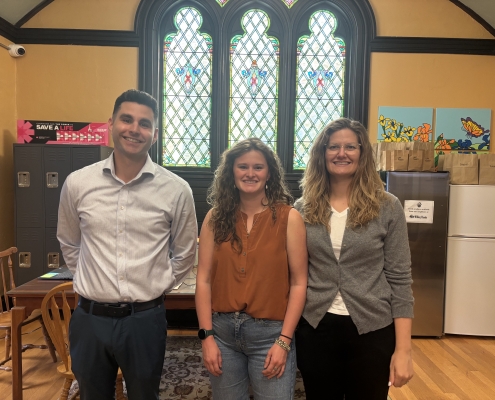
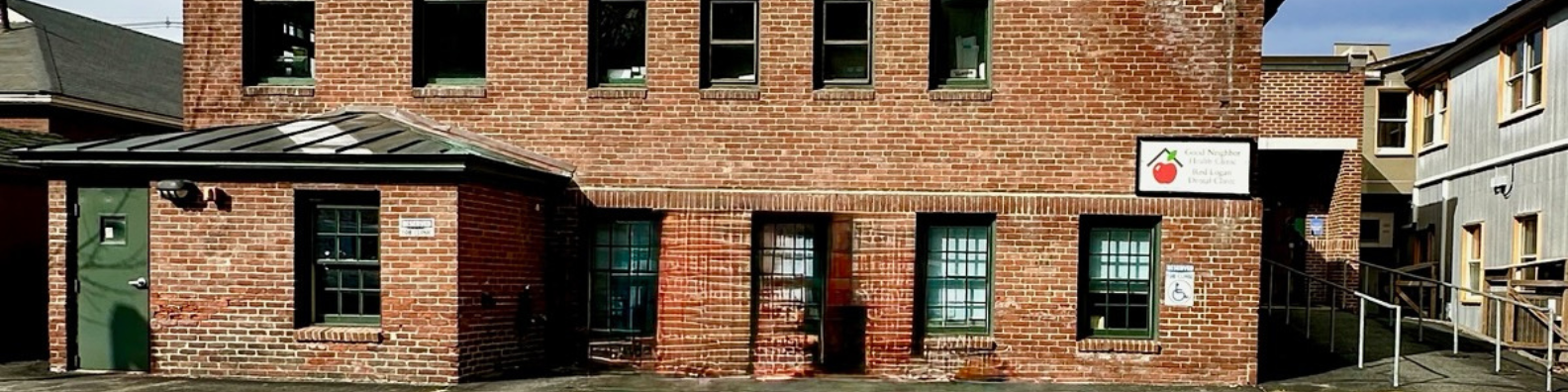
Red Logan Dental Clinic is just one of the few resources in our area that works to bridge the service gap that exists right here in our community. Starting from humble beginnings in the 1990s, when a group of volunteer dentists started providing free care outside of their normal practice hours, to hiring our first full-time staff dentist in 2021, we continue to provide care to those most in need. Our clinic also relies on the work of dedicated dental volunteers and student extern providers, who provided 1,088 hours of service in 2025.
“Staff is professional, proficient, friendly, and caring. Thank you for all that you do!” -Anonymous Dental Clinic Patient
A happy mouth and a happy life may mean different things to different people. At Red Logan Dental Clinic, our skilled clinicians emphasize having a happy mouth by achieving stable oral health. Stable oral health means getting rid of the tooth decay or infections that cause cavities and pain through the fillings, cleanings, and extractions we provide at the clinic. As a result of stable oral health, patients are able to speak, eat, and smile without pain or discomfort, leading to a happy life!
It takes a village to run a dental clinic. In addition to our staff and volunteers, we rely on many members of our community. Great North Dental Lab generously donates 2 crowns each month so that we can provide beautiful zirconia caps to patients whose teeth need more protection than fillings can offer. Upper Valley Endodontics graciously sees two patients a month from Red Logan Dental Clinic who are in need of their expert endodontic care. In 2025, we were able to purchase 3 new wall-mounted x-ray tubes that allow us to obtain the proper images needed for diagnosing patients. Dentists from around the community have even donated to provide a stipend for our externs, who incur high housing and travel expenses during their time on rotation here.
All of these improvements were made possible thanks to the support of our donors and integral partners like the New Hampshire Dental Society Foundation, Northeast Delta Dental Foundation, and the Vermont Community Foundation.
But there is always room for us to continue improving our services to better meet the care needs of our patients.
If you’re a dentist, dental assistant, or dental hygienist eligible for licensure in the state of Vermont who is interested in volunteering time to care for our neighbors’ dental health needs, please reach out to us! More volunteers ensure more individuals in the Upper Valley have access to dental care. If you’d prefer to support us through a direct contribution to our dental clinic program, please visit our giving page!

 Informing you about the organization, our mission, vision, values, and priorities is just one role of our monthly Clinic Chronicle! We want you to use this monthly e-blast as a way for you to see yourself as a part of our work and join the cause! Click here to read more about how we’re starting off the fiscal year with new partnerships, new board members, and new goals for the future!
 It’s incredible to be celebrating our 34th year of providing cost-free care to our neighbors here in the Upper Valley! To learn what else we’re celebrating this month,
  The March Clinic Chronicle is here!
 What began as a shared commitment to compassionate, accessible care over three decades ago has strengthened into a thriving, community-rooted organization serving more neighbors than ever before. As we reflect on how far we have come, we are filled with gratitude. Your trust makes our work happen, your partnership sustains it, and your belief in what Good Neighbor Health Clinic stands for continues to inspire me every single day.
 Your support, generosity, and belief in our mission made the past year not only possible but meaningful. The year ahead brings new opportunities and even more important work! We are building on the momentum you helped create, with a renewed focus on deepening our impact, strengthening our programs, and expanding the ways we serve. In the coming months, you’ll see us advancing key initiatives, forging new partnerships, and continuing to listen closely to the needs of our community as we move forward together.
 Happy Holidays from the Good Neighbor Health Clinic & Red Logan Dental Clinic teams! While many people spend this holiday season at home in the company of those they hold dear, so many dedicated individuals and teams within our partnering organizations continue to show up for others – please know how deeply appreciated your collaboration, efforts, and continued service to our community are, today and every day.
